
DC REAL ESTATE
LOGAN CIRCLE
The Isaacs Team | Compass
Neighborhood Profile
Office
NW DC
20005
CONTACT
WhatsApp Chat

Logan Circle Neighborhood
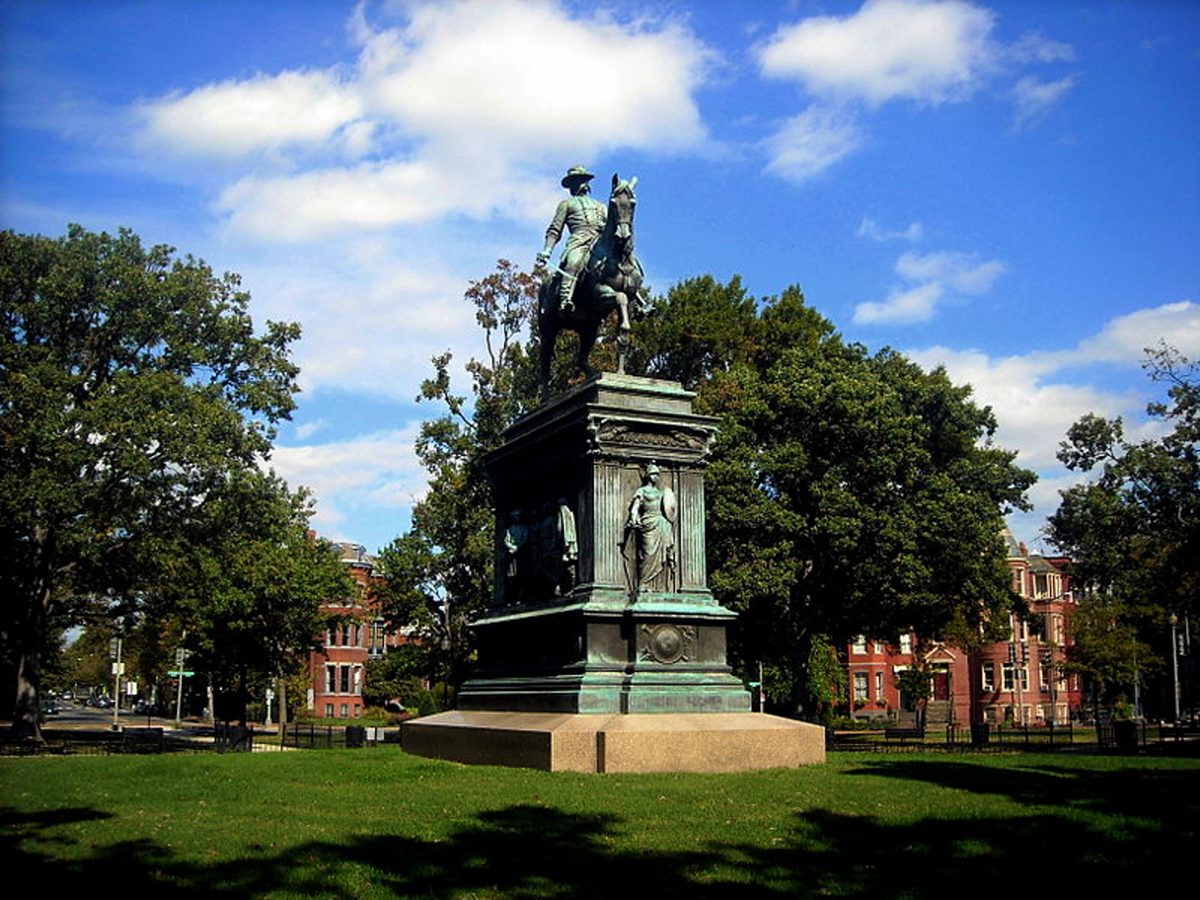
Logan Circle is a vibrant and historic neighborhood known for its architectural diversity, cultural richness, and lively atmosphere. Logan Circle boasts beautifully restored Victorian-style row houses, interspersed with modern condominiums and apartment buildings of many vintages. The neighborhood has undergone significant revitalization in recent decades, transforming into a sought-after residential enclave with a mix of historic charm and trendy urban living. Logan Circle is also celebrated for its thriving arts scene, diverse dining options, and proximity to cultural institutions.
The real estate market in Logan Circle is characterized by a blend of historic and contemporary properties, reflecting the neighborhood’s evolution. Historic row houses, some dating back to the 19th century, cheerfully coexist with modern condominiums and luxury apartments. The demand for real estate in Logan Circle is strong, driven by its wonderful architecture, upbeat atmosphere, pivotal location, and plethora of retail and dining options. The bustling 14th Street corridor, lined with boutique shops, restaurants, and art galleries, contributes to the neighborhood’s popularity among both residents and visitors.
As one of DC’s most desirable neighborhoods, Logan Circle continues to attract a diverse community of residents, including young professionals, families, and artists. The real estate market in Logan Circle reflects the neighborhood’s dynamic nature, with ongoing development projects and the preservation of historic architecture contributing to its overall appeal. With a perfect blend of urban convenience and cultural richness, Logan Circle stands as a thriving residential and cultural hub in the heart of the nation’s capital.
Why We Love It
- Beautiful architecture
- 14th Street retail & dining
- House hacking haven
- Surrounded by amenities
Nearby
- Dupont Circle
- Kalorama
- Shaw
- U Street Corridor
- Downtown
CAREN L
While other agents said, “This is what you need to do;” The Isaacs Team said, “We can do this for you!” Our process was smooth and quick, and they designed a strategy and negotiated a sale well above our asking price; and a purchase price below asking – both in the same market.
Logan Circle Market Data
Logan Circle History
“Iowa vs Logan”
Early Dupont Circle started out as a brickyard and slaughterhouse. The neighborhood creek, Slash Run, began near 15th Street and Columbia Road and ran from 16th Street near Adams Morgan, through Kalorama within a block of Dupont Circle. The Board of Public works under Alexander “Boss” Shepherd paved the way for the development of Dupont Circle. Nevada Senator William Morris Stewart led the “California Syndicate” that purchased tracts of undeveloped land. They quickly set about designing a fashionable neighborhood. Stewart set the standard by building his own grand mansion in the 1870s.
14th Street
Many larger homes included carriage houses and attached servant’s quarters which were converted to apartments and rooming houses as the the upper-middle class moved on and affluent African Americans, including doctors and intellectuals associated with Freedmen’s and Howard University, replaced them. In the early 20th century, 14th Street NW rose to prominence as a main shopping district for Washingtonians as well as a location for automobile showrooms. The 14th and U Street area evolved into Shaw, encompassing parts of Logan Circle and U Street. The 1968 DC riots devastated the 14th Street commercial corridor and the Logan Circle neighborhood began a steep decline. During the 1980s and 1990s, despite its beautiful Victorian homes surviving the riots, Logan Circle was overrun with drug and prostitution activity and was widely considered unsafe. During the latter part of this period property values in the area increased along with the homeless population. 14th Street was known as Washington’s red light district and due to large commercial spaces previously occupied by auto showrooms and low rents, an avant-garde theater district. During the 2000s, the area rapidly gentrified and housing costs rose significantly. Neglected buildings were razed or remodeled. 14th Street and P Street saw major revitalization. Whole Foods Market opened two blocks from Logan Circle in December 2000, on a site previously occupied by an abandoned service garage. Since then, the area has continued to redevelop and increase in value and popularity.
That Famous Architecture
Nos. 1 and 2 Logan Circle is a double house designed in the Second Empire style and constructed around 1880. It commands the prominent southwest position on the circle. Nos. 4-14 and 1500 13th Street are 11 townhouses which occupy the northwest quadrant of the circle and typify the architecture of the district. Of varied High Victorian and Richardsonian styles, constructed of several kinds of stone and brick, all are three to five stories in height. No. 4 is particularly noteworthy for its porches and detailing. No. 1500 13th Street has considerable ornamental ironwork with the original cast-metal porches, rails and fences remaining. Nos. 1314-1344 Vermont Avenue is a series of houses which represents excellent examples of late-19th-century domestic architecture. They date from 1875 to 1890 and are constructed of brick, pressed brick and stone. Mt. Olivet Lutheran Church at 1308 Vermont Avenue is an individually designated landmark within the District of Columbia. The church was erected between 1882 and 1884 as the Vermont Avenue Christian Church. R. G. Russel of Hartford, Connecticut, designed the church in the High Victorian Gothic style.
Sources: Wikipedia nps.gov culturaltourismdc.org Other Resources on Logan Circle: cdn.loc.gov dcpreservationLoganBrochure.pdf.
Logan Circle Schools
GARRISON ELEMENTARY
Public • Grades PK-5
CARDOZO MIDDLE
Public • Grades 6-8
BANNEKER ACADEMY
Public • Grades 9-12
For a full, updated list of schools, visit EBIS. Click the cap to go to school website. School data by SchoolDigger