Pantheon Macroeconomics Predicts Exacerbated 2025 Slowdown
GDP and employment growth is predicted to continue deceleration in the new year due to tariff increases and the new administration’s deportation plans.
In its 2025 U.S. report, Pantheon’s Samuel Tombs, head of the U.S. economic team, says; “a post-election bounce in economic activity is unlikely as private sector spending was unscathed by political uncertainty before the elections, and confidence has changed little since then. Measures of consumer confidence have risen less than after 2016 Trump’s win, when higher sentiment failed to boost spending.”
Detrimental Policies
Before the election, Pantheon economists expected the core CPE inflation to return to the 2% target by mid-2025, “but Trump looks set to throw a wrench into the works. Now, they are factoring a 0.5-1 percentage point uplist to the forecast in 2025 due to tariffs”, Tombs said.
In addition, undocumented migrant deportations could boost core PCE inflation “by creating labor shortages and fueling strong wage increases in the manufacturing, construction and agriculture sectors.”
“Tougher controls on immigration will restrict labor supply in time, but inflows likely will surge prior to their implementation, buying the economy some time.”
According to the report, the Fed’s interest rate cuts have “done little” to mitigate pressures on private sector balance sheets. “The average investment-grade corporate bond yield is 75 basis points above the average coupon rate and roughly 150 basis points higher than yields in the late 2010s,” Tombs continued. “Interest payments for corporates, therefore, will continue to rise as existing debt is rolled over. Meanwhile, the average interest rate on short-term loans to small businesses was a stifling 8.8% in November, according to the NFIB survey.”
Firms will continue to suffer with high borrowing costs, delayed expansion plans and squeezed costs, and Tombs expects payroll growth to average about 100,000 in the first half of next year, below the current rate of about 175,000. “This will keep the unemployment rate on its gently rising path, bearing down further on wage growth.”
The upside of all this is that a slowing economy is likely to prompt the Fed to continue lowering the funds rate despite stalling progress in core PCE inflation reduction. But the consequences are increased unemployment, lower wages, decreased consumer spending, reduced business investment, and overall decline in economic activity and a financially stressed general populace.
Key downsides of a slowing economy:
- Higher unemployment
- Job cuts
- Lower incomes
- Reduced consumer spending
- Decreased business investment:
- Companies may delay expansion plans or cut back on investments due to uncertainty in the market
- Falling asset values (stocks, real estate, etc.)
- Increased financial stress (debt payments, covering essential expenses)
- Government budget strain
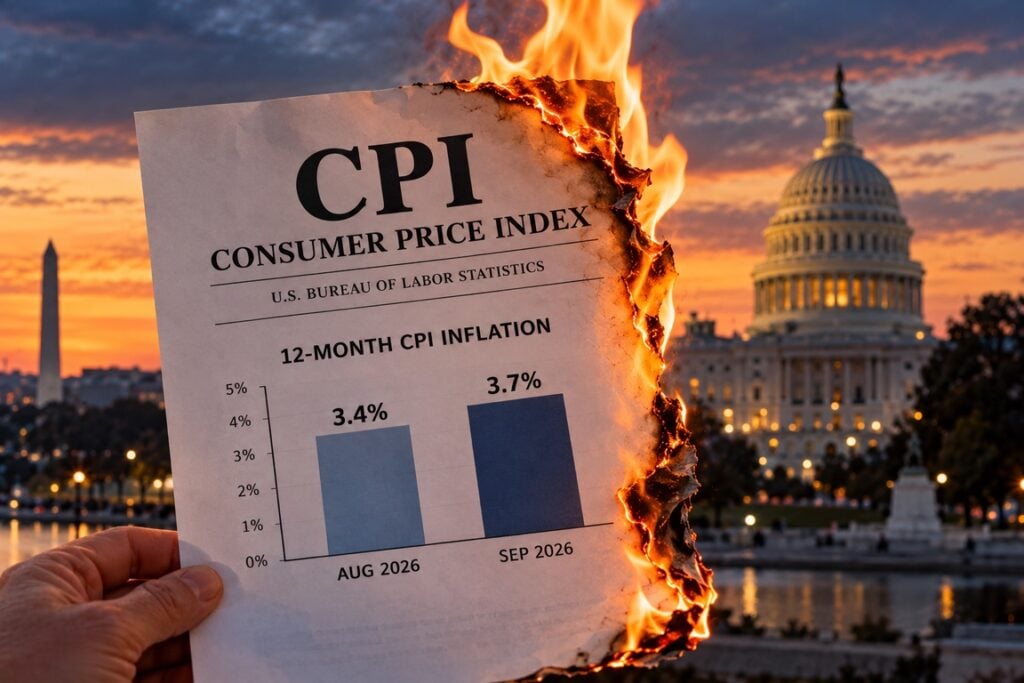
UPDATE AUG 2026: