How DC’s RENTAL Act Will Affect Landlords, Investors And Tenants
By Susan Isaacs
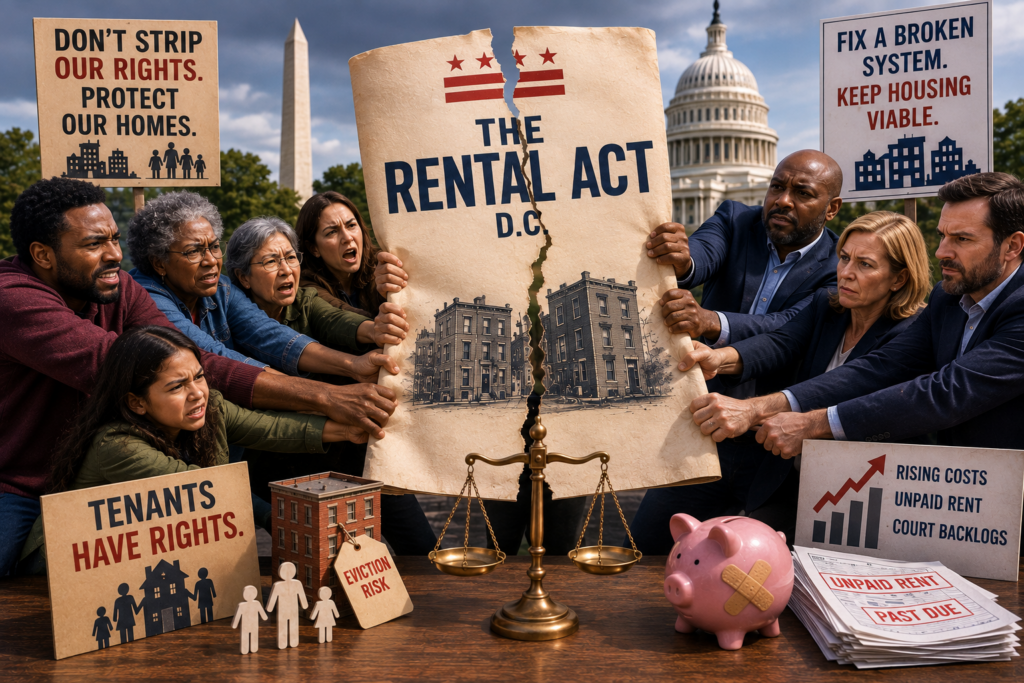
The D.C. Council approved The RENTAL Act (Rebalancing Expectations for Neighbors, Tenants and Landlords Act) on September 17th in a 10 to 2 first pass vote.
The amended legislation will accelerate the eviction process, exempts all buildings less than 15 years old from TOPA and those with new affordability covenants requiring owners to keep rents ‘affordable’ for a set period, among other provisions.
Ward 4’s Janeese Lewis George and Ward 1’s Brianne Nadeau were the dissenting votes.
UPDATE: The Rebalancing Expectations for Neighbors, Tenants, and Landlords (RENTAL) Act passed the D.C. Council, was signed into law by Mayor Muriel Bowser on November 13, 2025, and completed its congressional review period to become D.C. Law 26-80 with an effective date of December 31, 2025.
The RENTAL Act was introduced by At-large Councilmember Robert White, chair of the Housing Committee and declared candidate for Eleanor Holmes Norton’s seat as congressional delegate to the U.S. House of Representatives. The RENTAL Act revises a February proposal from Mayor Muriel Bowser that sought broader TOPA exemptions. That version drew ire from tenants’ rights groups.
D.C. landlords have reported a sharp rise in unpaid rent post-pandemic. As Street Sense Media reports; “Building owners and some lawmakers say pandemic-era eviction protections and a backlog in eviction courts have made it harder to keep affordable housing projects viable. The RENTAL Act is pitched as a fix, aiming to streamline evictions so housing providers can recoup losses and keep investing in D.C. housing.”
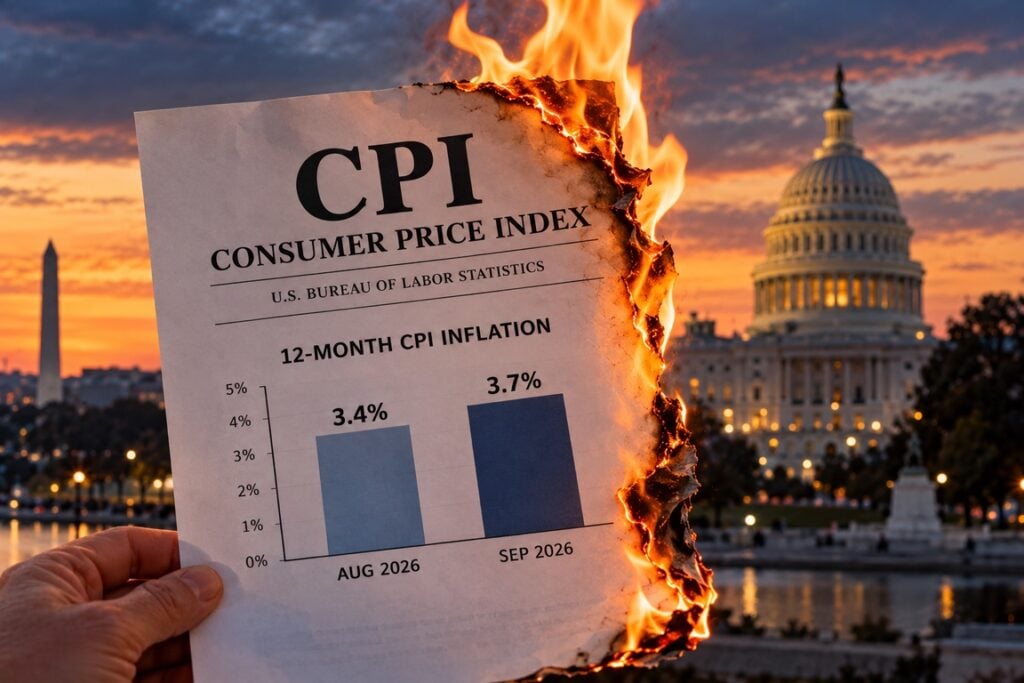
The volume of rental defaults is rising across the nation, but in the District of Columbia, the problem is compounded by pandemic policies, federal job losses, rising inflation and rent increases landlords say are necessary to offset soaring operational costs. Landlords here estimate unpaid rent losses in excess of a billion dollars.
“When the federal eviction moratorium ended in September 2021, most U.S. cities began the difficult process of stabilizing their housing markets. Washington, D.C., however, has not,” reports the Small Multifamily Owners Association. “Court delays, extended timelines, and the continuation of emergency-era rules have left landlords unable to enforce leases or recover unpaid rent. The result is multi-year cumulative losses that exceed $1 billion — losses that are permanent and destabilizing the city’s affordable housing ecosystem.”
“Our approach prioritizes public safety by swiftly addressing violent tenants while preserving tenant rights to a fair hearing,” White told colleagues considering the RENTAL Act. “Having an affordability covenant ensures that as those rates go up and neighborhoods change and are gentrified, the affordability is still locked in for two decades. We cannot throw away the opportunities for long-term affordability in a city that is too expensive.”
If it passes the second vote (after summer recess), The RENTAL Act takes effect following completion of the legislative process, which includes applying the Mayor’s signature, and a 30-day Congressional review period.
Read about the tenant rights rollbacks in the bill (now law) at The 51st.